 By admin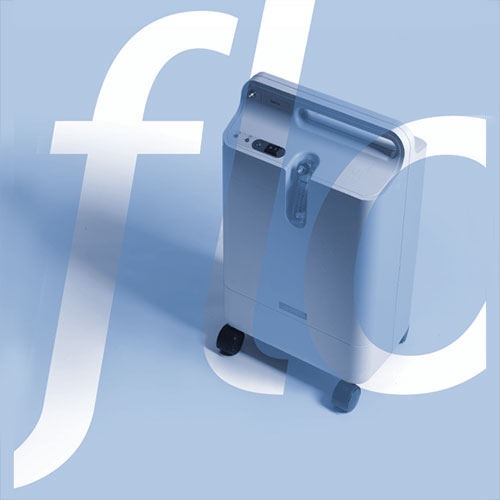
Home oxygen concentrators have become a vital tool for people with chronic respiratory conditions or low blood oxygen levels 家用氧氣機. Despite their widespread use and effectiveness, several misconceptions about these devices persist. These myths can prevent patients from seeking the treatment they need or cause unnecessary worry about safety, cost, or lifestyle limitations. In this article, we will explore the most common myths surrounding home oxygen concentrators and separate fact from fiction.
Myth 1: Home Oxygen Concentrators Are Only for the Severely Ill
A widespread misconception is that only patients with severe respiratory conditions need oxygen therapy. In reality, a home oxygen concentrator can benefit individuals with varying degrees of oxygen deficiency. Patients with moderate conditions like chronic obstructive pulmonary disease (COPD), sleep apnea, or heart-related illnesses may also experience improved quality of life and energy levels with supplemental oxygen. Early intervention can prevent complications, reduce hospitalizations, and enhance overall well-being.
Myth 2: Oxygen Therapy Is Restrictive and Limits Mobility
Many people believe that using a home oxygen concentrator will confine them to their home or limit their daily activities. Modern home oxygen concentrators are designed with portability in mind. Portable units allow users to maintain an active lifestyle, participate in outdoor activities, and travel with ease. Whether it’s walking around the neighborhood, attending social gatherings, or traveling, these devices provide the flexibility needed to live life without feeling restricted.
Myth 3: Oxygen Therapy Is Dangerous and Can Cause Fires
Safety concerns are another common myth associated with home oxygen concentrators. While oxygen is a flammable gas, a home oxygen concentrator itself does not burn. The risk of fire exists only if the oxygen comes into direct contact with open flames or sparks, such as from candles, cigarettes, or gas stoves. By following basic safety guidelines—like keeping the device away from heat sources and avoiding smoking nearby—patients can use oxygen therapy safely without fear.
Myth 4: Home Oxygen Concentrators Are Noisy and Disturbing
Some individuals avoid oxygen therapy due to the belief that the devices are loud and disruptive. Modern home oxygen concentrators, however, are designed to operate quietly. While older models may have produced noticeable noise, newer machines use advanced technology to minimize sound. This allows patients to use oxygen at night, during work, or while watching television without interruption. Noise levels are generally comparable to a soft hum, far from being a disturbance.
Myth 5: Using a Home Oxygen Concentrator Leads to Dependency
A significant concern among patients is that oxygen therapy can create dependency, making it difficult to function without supplemental oxygen. This is a misconception. Oxygen therapy does not weaken the lungs or cause dependence. Instead, it supports the body by ensuring tissues receive adequate oxygen, which can help patients regain strength, improve exercise tolerance, and enhance overall energy. The goal is to supplement oxygen as needed, not to create reliance.
Myth 6: Oxygen Therapy Is Expensive and Not Worth the Cost
Cost is often cited as a barrier to oxygen therapy. Many patients assume that a home oxygen concentrator is prohibitively expensive. While there is an initial investment, many insurance plans and healthcare programs cover a significant portion of the cost, making oxygen therapy accessible. Additionally, using a home oxygen concentrator can reduce hospital visits and emergency care costs, making it a cost-effective solution for long-term respiratory health.
Myth 7: Oxygen Therapy Is Complicated and Hard to Use
Some people believe that using a home oxygen concentrator requires technical expertise. In truth, these devices are user-friendly and designed for easy operation. Most machines have simple controls, clear indicators, and automated functions, allowing patients and caregivers to adjust settings with minimal effort. Training from healthcare providers ensures that users understand safety precautions, maintenance, and usage, making the experience straightforward and manageable.
Myth 8: Oxygen Therapy Is Only for Sleep or Rest
Another myth is that home oxygen concentrators are only necessary during sleep or periods of rest. In fact, oxygen therapy may be required during physical activity, rehabilitation exercises, or even daily routines to maintain adequate blood oxygen levels. Continuous or intermittent oxygen therapy is prescribed based on individual needs, and using oxygen during activity can improve stamina, reduce fatigue, and enhance overall quality of life.
Myth 9: All Oxygen Concentrators Are the Same
Not all oxygen concentrators are identical, though many assume they are interchangeable. There are differences in flow rate, portability, noise level, and suitability for continuous versus intermittent use. A home oxygen concentrator must be selected according to a patient’s specific oxygen needs, lifestyle, and medical recommendations. Healthcare providers help determine the right model, ensuring effective therapy while matching the patient’s daily activities.
Myth 10: Oxygen Therapy Is Only for Older Adults
Finally, some people associate oxygen therapy exclusively with elderly patients. While respiratory issues are more common with age, individuals of all ages—including younger adults and even children—may require supplemental oxygen for conditions such as cystic fibrosis, congenital heart defects, or acute respiratory illnesses. Home oxygen concentrators provide safe and reliable therapy across age groups when prescribed by medical professionals.
Conclusion
Home oxygen concentrators are an essential tool in modern respiratory care, yet myths and misconceptions continue to create hesitation and fear. Understanding the facts about these devices can empower patients to make informed decisions about their health. Home oxygen concentrators are not only safe, portable, and easy to use, but they also improve quality of life, reduce complications, and support active lifestyles. By debunking these common myths, patients and caregivers can embrace oxygen therapy as a valuable component of managing chronic respiratory conditions.