 By admin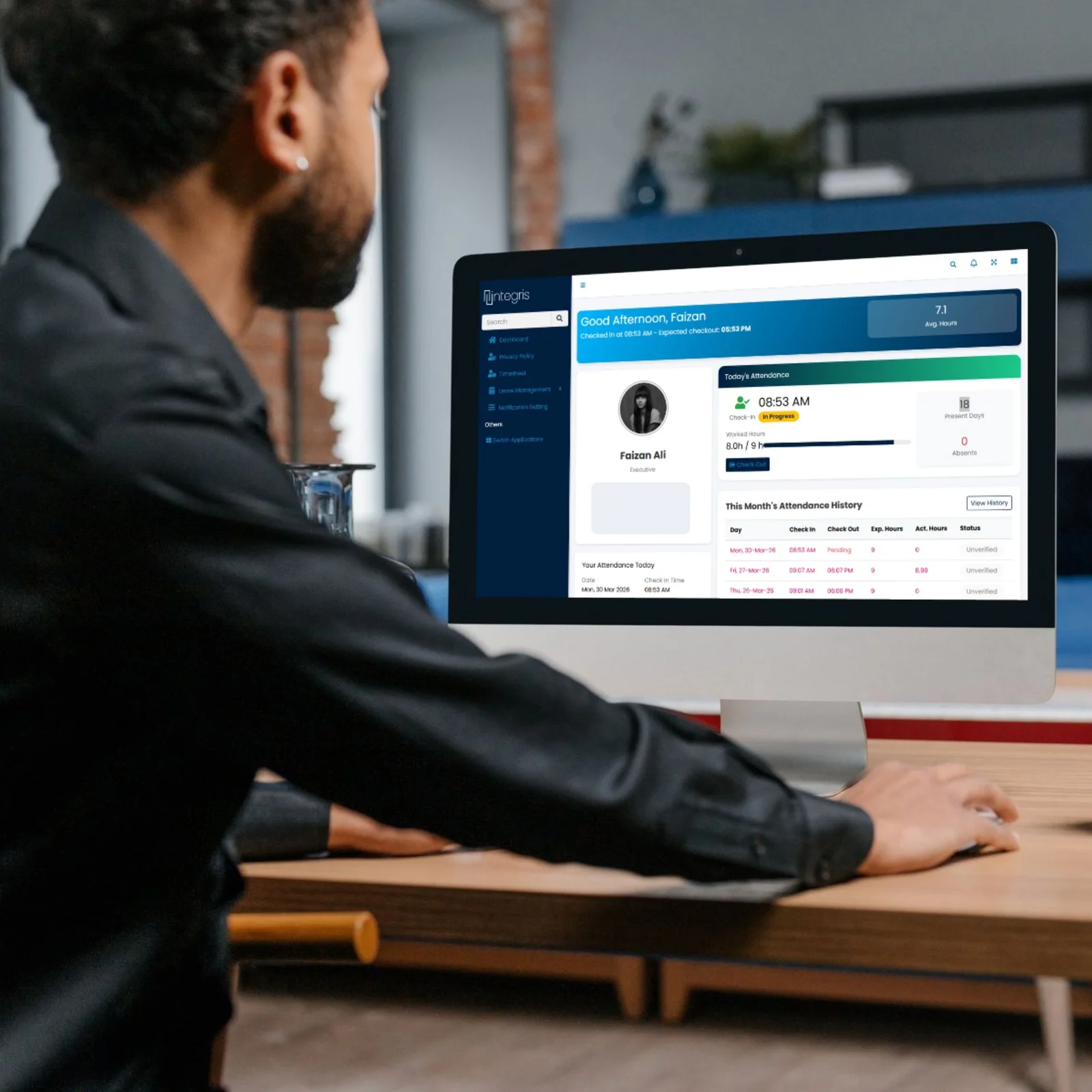
Introduction
Managing employees efficiently is one of the most important responsibilities of any business. From recruiting new talent and maintaining attendance records to processing salaries and evaluating performance, human resource management involves numerous tasks that require accuracy, organization, and consistent attention. As businesses grow, handling these responsibilities manually becomes increasingly difficult. This is where HRMS software in India plays a valuable role by helping organizations simplify HR operations, improve productivity, and create a better employee experience.
Human Resource Management System (HRMS) software is a digital platform that centralizes employee information and automates essential HR processes. Whether a company operates as a small startup, a growing medium-sized enterprise, or a large corporation, the right HRMS solution can help reduce administrative workloads and support long-term business growth.
What Is HRMS Software?
HRMS software is a technology solution designed to manage various human resource functions through a centralized system. Instead of relying on spreadsheets, paper documents, and separate applications, businesses can manage employee records, payroll, leave requests, attendance, recruitment, and performance information from one platform.
Modern HRMS solutions often include cloud-based access, employee self-service portals, automated notifications, reporting dashboards, and integrations with accounting or payroll systems. These features allow HR teams to work more efficiently while giving employees convenient access to their own information.
In India, businesses must also consider local payroll practices, applicable labor regulations, tax deductions, and statutory reporting requirements. A suitable HRMS platform can help organize these responsibilities and reduce the likelihood of administrative errors.
Top Benefits of HRMS Software for Businesses
1. Automates Repetitive HR Tasks
HR departments frequently spend significant time updating employee records, tracking attendance, approving leave requests, and preparing routine documents. Performing these tasks manually can consume valuable resources and increase the possibility of mistakes.
HRMS software automates many repetitive activities, allowing HR professionals to focus on more strategic responsibilities. For example, the system can record attendance, calculate leave balances, generate routine reports, and notify managers about pending approvals.
Automation saves time, improves consistency, and helps businesses manage growing workloads without increasing administrative complexity.
2. Simplifies Payroll Management
Payroll processing is a critical business function because employees expect their salaries to be calculated accurately and paid on time. Errors involving attendance, overtime, deductions, or tax calculations can lead to employee dissatisfaction and additional administrative work.
HRMS software can connect payroll calculations with attendance records, approved leave, salary structures, and other relevant employee information. This reduces the need for repeated manual data entry and makes payroll preparation more organized.
For Indian businesses, payroll-related features may support calculations involving provident fund contributions, employee state insurance where applicable, professional tax where applicable, and tax-related deductions. However, businesses should verify that their chosen system supports current requirements and configure it correctly.
3. Improves Attendance and Leave Tracking
Managing attendance becomes more complicated when employees work across multiple departments, branches, shifts, or remote locations. Traditional attendance registers and spreadsheets may not provide the visibility required for effective workforce management.
An HRMS platform can centralize attendance records and leave information. Depending on its features, it may support biometric devices, mobile attendance, web-based check-ins, shift scheduling, and automated leave balances.
Employees can submit leave requests digitally, while managers can review and approve them through the system. This makes the process more transparent and helps organizations maintain accurate workforce records.
4. Reduces Administrative Costs
Every business wants to use its resources efficiently. Manual HR processes often involve printing documents, maintaining physical files, correcting data-entry mistakes, and spending additional hours on routine tasks.
HRMS software can reduce these expenses by digitizing records and automating workflows. It may also help businesses avoid investing in multiple disconnected tools for separate HR functions.
Although implementation involves costs such as subscriptions, configuration, training, and maintenance, the long-term value can be significant when the platform addresses genuine operational challenges.
Small businesses can begin with essential features and expand their use of the system as their workforce and requirements increase.
5. Enhances Employee Self-Service
Employees regularly need access to information such as salary slips, leave balances, attendance records, personal details, and company policies. When every request must pass through the HR department, response times can increase.
Employee self-service portals allow staff members to access approved information and complete routine tasks independently. They may be able to download payslips, update personal details, request leave, and review attendance records without sending multiple emails.
This convenience reduces pressure on HR teams and gives employees greater control over routine administrative matters. It also improves communication by making relevant information easier to find.
6. Supports Better Recruitment and Onboarding
Recruiting suitable employees requires coordination between hiring managers, recruiters, and candidates. Without an organized process, applications can be overlooked, interview schedules may become confusing, and joining formalities can take longer than expected.
HRMS software with recruitment features can help track applicants, organize interview stages, maintain candidate information, and manage hiring workflows.
Once a candidate accepts an offer, onboarding tools can help coordinate document collection, policy acknowledgments, orientation schedules, and initial training activities. A structured onboarding experience helps new employees understand their responsibilities and become productive more quickly.
7. Strengthens Employee Data Security
Employee records contain sensitive information, including contact details, employment history, compensation information, and identification documents. Keeping these records in scattered files or unsecured spreadsheets can create unnecessary risks.
A well-designed HRMS platform may provide role-based access controls, authentication features, audit logs, encryption, and secure backups. These capabilities help businesses manage who can access or modify particular records.
Organizations should evaluate the security practices of each provider, establish appropriate access permissions, and maintain clear data-retention policies. They should also confirm that the system supports their applicable privacy and data-protection obligations.
8. Provides Useful HR Analytics and Reports
Business leaders need reliable information to make informed workforce decisions. Without centralized reporting, it can be difficult to identify employee turnover patterns, monitor absenteeism, assess recruitment performance, or understand workforce costs.
HRMS software can transform employee information into reports and dashboards that highlight important trends. Managers may use these insights to identify staffing gaps, review departmental performance, forecast hiring requirements, and evaluate workforce planning strategies.
Accurate reporting helps organizations move beyond reactive administration toward more informed and proactive human resource management.
Why HRMS Software Is Suitable for Businesses of Every Size
Small Businesses and Startups
Small businesses often operate with limited HR staff and tight budgets. HRMS software helps them establish organized processes from the beginning, maintain employee records, and manage payroll-related information with fewer manual tasks.
A simple, affordable solution can provide the structure needed to support future expansion.
Medium-Sized Businesses
Medium-sized organizations usually face increasing complexity as employee numbers, departments, and reporting requirements grow. HRMS software helps standardize processes across teams, improve managerial visibility, and reduce delays caused by disconnected systems.
Scalable features make it easier to accommodate new locations and changing workforce requirements.
Large Enterprises
Large companies may need advanced permissions, multi-location workforce management, complex payroll workflows, detailed analytics, and integrations with existing enterprise systems.
An HRMS platform can provide a centralized approach to these activities while supporting consistency across departments. Successful implementation requires careful configuration, reliable integrations, and coordination among HR, IT, finance, and management teams.
How to Choose the Right HRMS Software in India
Selecting the right platform requires more than comparing subscription prices. Businesses should begin by identifying their most important HR challenges and the features needed to address them.
Consider the following factors:
- Essential features: Evaluate payroll, attendance, leave management, employee records, recruitment, and performance management according to your requirements.
- Indian payroll support: Check whether the software accommodates relevant statutory calculations, reporting, and updates.
- Ease of use: Choose an intuitive platform that employees and managers can learn without extensive training.
- Scalability: Ensure the system can accommodate additional employees, branches, and features as your business grows.
- Security: Review access controls, data protection measures, backup procedures, and vendor security practices.
- Integration capabilities: Confirm compatibility with existing accounting, payroll, attendance, and business applications.
- Customer support: Evaluate implementation assistance, training resources, response times, and ongoing technical support.
- Total cost: Compare subscription fees, setup charges, customization expenses, and future upgrade costs.
Before committing to a solution, request a demonstration and test the most important workflows. Involving employees, managers, HR professionals, and finance teams in the evaluation process can help ensure that the selected platform meets practical business needs.
Best Practices for Successful HRMS Implementation
Implementing an HRMS platform successfully requires planning and employee participation. Start by reviewing existing HR processes and identifying inefficiencies that need to be addressed.
Next, organize employee records and correct inaccurate or outdated information before transferring data into the new system. Configure workflows, permissions, payroll settings, and reporting requirements carefully.
Provide training to employees and managers so they understand how to use the platform effectively. Consider introducing features in stages instead of changing every process simultaneously.
Finally, review system performance regularly. Track indicators such as payroll accuracy, time spent on administrative tasks, leave-processing speed, and employee adoption. These measurements can help determine whether the investment is delivering the expected benefits.
Conclusion
HRMS software has become a valuable tool for businesses seeking to improve workforce management, reduce repetitive tasks, and strengthen employee experiences. By automating payroll activities, simplifying attendance tracking, supporting recruitment, protecting employee records, and providing actionable reports, it helps organizations manage human resources more effectively.
The benefits extend across businesses of every size. Small companies can build organized HR foundations, medium-sized organizations can streamline expanding operations, and large enterprises can coordinate complex workforce requirements through centralized systems.
Choosing the right HRMS software in India involves evaluating business needs, local payroll support, usability, security, scalability, and overall cost. With thoughtful implementation and regular evaluation, businesses can create more efficient HR processes, support their employees, and establish a stronger foundation for sustainable growth.