 By admin
 Introduction to Multi-Span Film Greenhouses
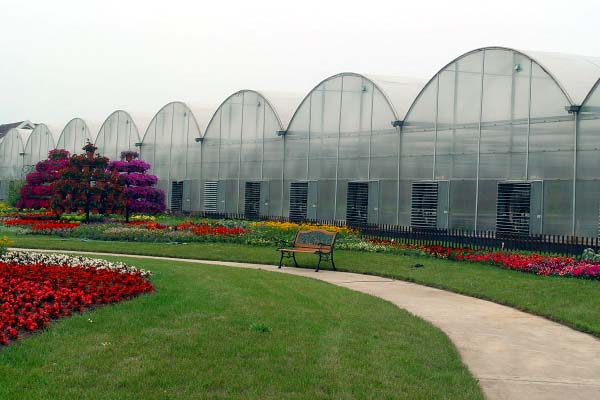
Multi-Span Film Greenhouses have become an increasingly popular choice for modern agricultural practices due to their ability to maximize space and optimize growing conditions. Unlike single-span greenhouses, multi-span designs feature multiple connected bays, allowing farmers to cultivate large areas under controlled environments. This design offers numerous benefits, including enhanced light distribution, improved ventilation, and efficient use of resources. Understanding the cost-effectiveness of these greenhouses requires examining their construction, operational advantages, and long-term financial impacts on agricultural productivity.
Design and Structure of Multi-Span Film Greenhouses
The structural design of a Multi-Span Film Greenhouse typically consists of a series of arches or frames connected with durable joints, covered with high-quality polyethylene or other film materials. The multi-span configuration allows for larger cultivation areas without significantly increasing the structural complexity. Compared to traditional single-span greenhouses, these structures offer better wind resistance and temperature stability, essential factors for high-value crops.
Film materials used in these greenhouses are lightweight, flexible, and cost-effective, which reduces the initial investment compared to glass or polycarbonate alternatives. Additionally, modern films often feature UV protection, anti-drip coatings, and thermal retention properties, contributing to a more stable growing environment while minimizing maintenance costs.
Cost Components of Multi-Span Film Greenhouses
Evaluating the cost-effectiveness of a Multi-Span Film Greenhouse requires a breakdown of initial investment and operational expenses. The primary cost components include:
- Construction Materials: The choice of high-quality films, durable frames, and supporting structures directly impacts the initial capital required. Multi-span structures are more material-intensive than single-span models but allow for economies of scale in larger operations.
- Labor Costs: Skilled labor is essential for proper installation to ensure structural integrity and longevity. Although multi-span greenhouses require more complex assembly, the cost per unit area decreases when covering larger areas.
- Irrigation and Climate Control Systems: Efficient watering systems, heating, and ventilation are necessary to maintain optimal growing conditions. Multi-span greenhouses can accommodate centralized systems, reducing per-unit operational costs compared to multiple smaller single-span structures.
- Maintenance: Film replacement, structural inspection, and cleaning are ongoing expenses. Multi-span designs simplify maintenance logistics, as larger centralized spaces allow for easier access and management.
Advantages in Operational Efficiency
One of the main reasons Multi-Span Film Greenhouses are considered cost-effective is their operational efficiency. By connecting multiple spans, farmers benefit from a unified microclimate that reduces temperature fluctuations and enhances crop growth consistency. Improved light penetration and circulation within the greenhouse lead to higher yields and better crop quality, directly affecting profitability.
Multi-span designs also facilitate better use of mechanized farming equipment. Tractors, automated irrigation systems, and harvesting machinery can operate more efficiently in larger, continuous spaces compared to fragmented single-span units. This efficiency reduces labor costs and enhances overall productivity.
Energy Savings and Environmental Considerations
Energy costs are a significant portion of greenhouse operations, especially in regions with extreme climates. Multi-Span Film Greenhouses help minimize energy consumption by retaining heat more effectively and reducing the number of external walls exposed to the environment. This design allows for lower heating and cooling requirements, translating into substantial cost savings over time.
Additionally, these greenhouses support sustainable practices, such as rainwater harvesting, integrated pest management, and efficient use of fertilizers. The centralized layout makes it easier to implement environmentally friendly practices without incurring high additional costs.
Yield Maximization and Profitability
The ultimate measure of cost-effectiveness is the return on investment, which is closely linked to crop yield and quality. Multi-Span Film Greenhouses create optimal growing conditions that reduce plant stress and enhance productivity. Crops can be grown year-round, mitigating the risks associated with seasonal fluctuations and market prices.
By maximizing the use of space, farmers can cultivate high-value crops such as tomatoes, cucumbers, and peppers in larger quantities, increasing revenue potential. When combined with advanced cultivation techniques like hydroponics or drip irrigation, Multi-Span Film Greenhouses can deliver superior yields while keeping operational costs manageable.
Scalability and Long-Term Benefits
Another advantage of Multi-Span Film Greenhouses is their scalability. Farmers can start with a smaller number of spans and expand as demand grows or as investment capital becomes available. This flexibility allows for gradual financial planning and reduces the risk of overextending resources.
In the long term, the durability of frames and advancements in film technology mean that these greenhouses provide a reliable investment. Periodic upgrades, such as replacing old films with newer energy-efficient versions, can further improve cost-effectiveness and extend the useful life of the structure.
Comparison with Alternative Greenhouse Options
When compared to glass or polycarbonate greenhouses, Multi-Span Film Greenhouses offer a significantly lower initial cost while maintaining a comparable level of environmental control. Although glass greenhouses provide higher durability and better insulation, they require greater capital expenditure and longer construction times. In contrast, multi-span film structures can be deployed quickly, making them ideal for both small-scale and large-scale agricultural operations seeking fast returns.
Similarly, single-span film greenhouses may have lower upfront costs but lack the operational efficiencies and space utilization benefits of multi-span systems. Multi-span structures reduce per-unit area costs, making them a smarter long-term investment for commercial growers.
Challenges and Considerations
Despite their advantages, Multi-Span Film Greenhouses are not without challenges. Initial construction requires careful planning to ensure proper alignment, drainage, and ventilation. Poor installation can lead to structural weaknesses and higher maintenance costs. Additionally, film materials are susceptible to damage from hail, strong winds, or prolonged UV exposure, necessitating periodic replacement.
Farmers must also consider local climate conditions, crop selection, and market demand when evaluating cost-effectiveness. Investing in a multi-span structure in a region with limited sunlight or low demand for greenhouse crops may not yield the expected financial benefits.
Conclusion
Multi-Span Film Greenhouses represent a highly cost-effective solution for modern agriculture. Their ability to cover large areas efficiently, reduce energy consumption, and support year-round cultivation provides significant financial and operational advantages. By carefully considering construction quality, operational efficiency, and long-term maintenance, farmers can maximize returns and enhance sustainability.
Investing in Multi-Span Film Greenhouses allows agricultural enterprises to scale effectively, improve productivity, and compete in increasingly demanding markets. The combination of lower initial costs, improved efficiency, and higher yield potential makes these structures a compelling choice for growers seeking a practical and profitable approach to modern farming.