 By admin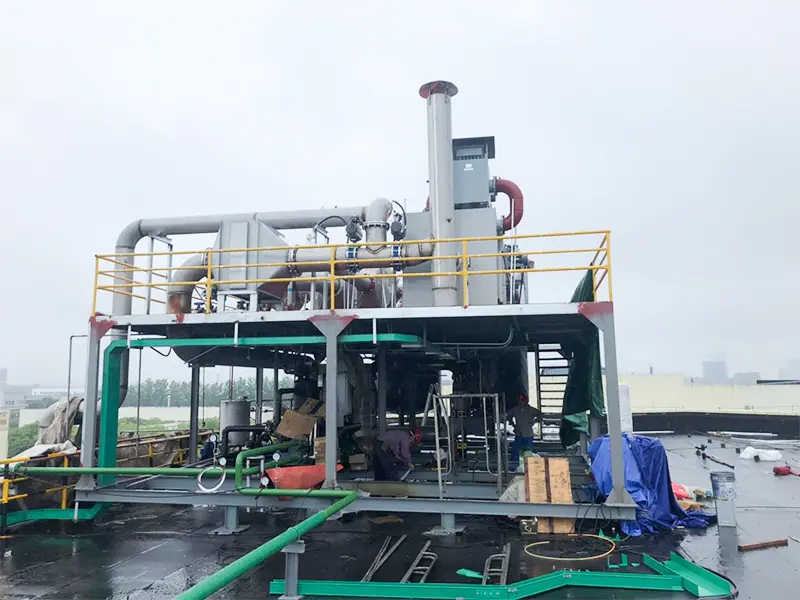
Volatile Organic Compounds (VOCs) are a significant concern for industries worldwide due to their impact on environmental pollution and human health. VOC waste gas technology plays a critical role in controlling and reducing these emissions, ensuring compliance with environmental regulations while promoting sustainable industrial practices. This guide explores the fundamentals of VOC waste gas technology, its applications, and how industries can effectively implement it.
Understanding VOC Waste Gas Technology
VOC waste gas technology refers to the systems and methods designed to capture, treat, and reduce volatile organic compounds emitted from industrial processes. VOCs are organic chemicals that easily evaporate at room temperature, often found in paints, coatings, solvents, and chemical manufacturing processes. Their uncontrolled release contributes to air pollution, smog formation, and potential health hazards for workers and surrounding communities.
Implementing VOC waste gas technology is essential for industries that aim to minimize environmental impact while maintaining operational efficiency. These technologies include adsorption, condensation, incineration, and biofiltration systems, each designed to treat VOCs effectively depending on their concentration, type, and emission source.
Common Types of VOC Waste Gas Technology
Adsorption Systems
Adsorption systems are among the most widely used VOC waste gas technologies. They utilize materials such as activated carbon to capture VOC molecules from the air. The process involves the VOCs adhering to the surface of the adsorbent material, effectively removing them from the exhaust stream.
These systems are highly efficient for treating low to medium concentrations of VOCs and are suitable for industries like paint manufacturing, printing, and chemical processing. Regular maintenance of the adsorbent materials is crucial to ensure continued efficiency and to prevent saturation, which can reduce the system’s effectiveness.
Condensation Techniques
Condensation is another effective VOC waste gas technology. This method works by cooling VOC-laden air to condense the volatile compounds into a liquid form, which can then be collected and reused or safely disposed of. Condensation techniques are particularly suitable for VOCs with high boiling points and can be integrated into processes where solvent recovery is desired.
Industries using solvents extensively, such as pharmaceutical manufacturing and coatings production, benefit significantly from condensation systems because they not only reduce emissions but also allow the recovery of valuable solvents, reducing operational costs.
Thermal Oxidation
Thermal oxidation involves the combustion of VOCs at high temperatures, converting them into less harmful compounds such as carbon dioxide and water vapor. This VOC waste gas technology is effective for high-concentration VOC emissions and provides a reliable method to meet strict environmental regulations.
Regenerative thermal oxidizers (RTOs) and direct-fired thermal oxidizers are common solutions in industries like petrochemical plants and large-scale chemical production. While thermal oxidation systems require a significant initial investment, their ability to achieve high destruction efficiency often justifies the cost.
Biofiltration Systems
Biofiltration is a VOC waste gas technology that uses microorganisms to degrade organic compounds present in industrial emissions. Air containing VOCs passes through a biofilter medium, such as compost or peat, where microbes metabolize the pollutants into harmless byproducts.
This technology is environmentally friendly and energy-efficient, making it ideal for industries like food processing, wastewater treatment, and low-level solvent applications. Proper monitoring and maintenance of the microbial population are essential to ensure consistent VOC removal performance.
Factors to Consider When Implementing VOC Waste Gas Technology
Choosing the right VOC waste gas technology requires a thorough assessment of several factors. First, the type and concentration of VOCs produced by industrial processes must be analyzed. Some VOCs are more reactive or hazardous than others, influencing the selection of treatment technology.
Second, the volume of emissions plays a significant role in determining the appropriate system. High-volume emissions may require large-scale thermal oxidizers or advanced adsorption systems, while smaller emissions might be efficiently handled by condensation or biofiltration systems.
Third, compliance with local and international environmental regulations is critical. Industries must ensure that their VOC waste gas technology meets or exceeds regulatory standards to avoid fines and potential operational shutdowns. In addition, economic factors, such as installation and operating costs, energy consumption, and potential for solvent recovery, should be considered.
Benefits of VOC Waste Gas Technology
Implementing VOC waste gas technology offers numerous benefits for industries. Environmentally, it reduces harmful emissions, contributing to cleaner air and reduced smog formation. From a health perspective, it minimizes the exposure of workers and nearby communities to hazardous compounds.
Operationally, some VOC waste gas technologies, like condensation systems, provide the added advantage of recovering valuable solvents, lowering raw material costs. Regulatory compliance is another significant benefit, as industries can avoid penalties while enhancing their reputation as environmentally responsible organizations.
Furthermore, adopting VOC waste gas technology aligns with sustainability goals, supporting green initiatives and corporate social responsibility. Companies that invest in emission control technologies are better positioned to meet growing consumer and investor demands for environmentally conscious practices.
Best Practices for Maintaining VOC Waste Gas Systems
Effective maintenance of VOC waste gas technology is crucial for long-term performance. Regular inspections, monitoring of emission levels, and timely replacement or regeneration of adsorbents and biofilter media ensure that the systems operate at optimal efficiency.
Employee training is also vital. Staff should understand the operation and safety protocols associated with VOC treatment systems to prevent accidents and ensure compliance with environmental standards. Documentation of maintenance activities and emission data can support regulatory reporting and continuous improvement initiatives.
Future Trends in VOC Waste Gas Technology
The field of VOC waste gas technology is evolving with advancements in material science, automation, and monitoring systems. Innovations such as smart sensors, real-time emission monitoring, and AI-driven control systems are making it easier for industries to optimize VOC treatment and reduce operational costs.
Green technologies, including bio-based adsorbents and energy-efficient thermal oxidizers, are becoming increasingly popular, reflecting a shift toward sustainable industrial practices. Industries that adopt these advanced VOC waste gas technologies are better prepared to meet future environmental regulations and market demands for eco-friendly operations.
Conclusion
VOC waste gas technology is a vital component of modern industrial operations, providing solutions to reduce harmful emissions and promote sustainability. From adsorption and condensation to thermal oxidation and biofiltration, each technology offers unique advantages depending on the type, concentration, and volume of VOCs.
Industries that carefully evaluate their emission profiles, regulatory requirements, and operational goals can select the most effective VOC waste gas technology, ensuring compliance, protecting human health, and contributing to a cleaner environment. By investing in advanced systems and following best practices for maintenance and monitoring, companies can achieve long-term environmental and economic benefits while demonstrating a commitment to responsible industrial practices.
Adopting VOC waste gas technology is not just a regulatory necessity—it is a strategic move toward sustainable industrial growth and environmental stewardship.