 By admin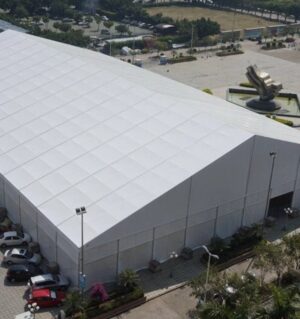
A tarpaulin warehouse plays a critical role in modern storage solutions, providing a versatile, durable, and cost-effective way to protect goods from environmental hazards. Whether you are managing a large-scale logistics operation or running a small distribution center, understanding the essentials of a tarpaulin warehouse is crucial to optimizing storage, ensuring safety, and maintaining product quality. This article explores the key aspects of a tarpaulin warehouse, from material selection to storage practices, to help you make informed decisions.
Understanding the Tarpaulin Warehouse
A tarpaulin warehouse refers to a storage facility that utilizes tarpaulin sheets for covering, partitioning, or protecting goods. Tarpaulins are made from materials like PVC, polyethylene, or canvas, and are valued for their waterproof, tear-resistant, and UV-protective properties. Unlike traditional warehouses, a tarpaulin warehouse provides flexibility in storage layout, easier scalability, and quick installation. These facilities are especially popular in industries like agriculture, construction, logistics, and manufacturing.
Choosing the Right Tarpaulins for Your Warehouse
Selecting the right tarpaulin is one of the most important decisions for a tarpaulin warehouse. PVC tarpaulins are preferred for their durability, resistance to fire, and weatherproof qualities. Polyethylene tarpaulins offer affordability and lightweight convenience, while canvas tarpaulins are suitable for short-term storage where breathability is important. When choosing tarpaulins for your warehouse, consider factors like thickness, UV resistance, waterproof rating, and size. A well-chosen tarpaulin can prevent damage to stored goods, reduce maintenance costs, and extend the life of the materials being stored.
Storage Organization in a Tarpaulin Warehouse
Efficient organization is the backbone of any tarpaulin warehouse. Goods should be arranged in a way that maximizes space while allowing easy access. Pallet racks, shelving systems, and modular containers can be combined with tarpaulin covers to protect products from dust, moisture, and sunlight. Labeling and inventory tracking are essential to maintain smooth operations, especially in large warehouses. A tarpaulin warehouse benefits from flexible layouts, as tarpaulins can be easily repositioned to create temporary partitions or cover newly added stock.
Benefits of Using a Tarpaulin Warehouse
The advantages of a tarpaulin warehouse are numerous, making it an attractive option for many businesses.
- Cost-Effective – Tarpaulin warehouses are generally more affordable to set up than traditional brick-and-mortar facilities. Tarpaulins are inexpensive, easy to transport, and require minimal infrastructure.
- Weather Resistance – High-quality tarpaulins protect goods from rain, snow, wind, and UV radiation. This is particularly important for outdoor storage or areas with fluctuating weather conditions.
- Flexibility – Tarpaulin warehouses can be easily expanded or reconfigured. This adaptability allows businesses to adjust storage capacity without major construction.
- Durability – PVC and reinforced tarpaulins are tear-resistant, long-lasting, and capable of handling heavy loads, ensuring reliable protection for stored items.
- Quick Setup – Unlike permanent warehouses, tarpaulin-based storage can be deployed quickly, making it ideal for temporary storage needs or seasonal inventory surges.
Safety Considerations in a Tarpaulin Warehouse
Safety is a critical aspect of managing a tarpaulin warehouse. Fire safety should be prioritized, especially when using flammable materials or storing goods prone to combustion. Ensure tarpaulins meet fire retardant standards where necessary. Regular inspections are important to check for wear and tear, punctures, or leaks that could compromise stored goods. Proper ventilation is also crucial, especially when storing perishable or chemical items, to prevent mold, condensation, and hazardous fume buildup.
Maintenance Tips for a Tarpaulin Warehouse
Maintaining a tarpaulin warehouse involves both the structure and the tarpaulins themselves. Tarpaulins should be cleaned regularly to prevent dirt buildup and mildew. Inspect edges and grommets for signs of damage and repair them promptly. Rotating stock can help distribute wear evenly and reduce pressure points that may tear the material. Additionally, ensure proper anchoring of tarpaulins to withstand wind and avoid accidents. Regular maintenance extends the life of the tarpaulins and ensures consistent protection for stored items.
Seasonal Considerations for Tarpaulin Warehouses
A tarpaulin warehouse may face different challenges depending on the season. During heavy rains or snowfall, the waterproofing and weight-bearing capacity of tarpaulins must be closely monitored. In hot, sunny climates, UV-resistant tarpaulins prevent fading and degradation of stored goods. Businesses should also consider insulating or ventilating their tarpaulin warehouses to maintain stable temperatures, especially for sensitive products like electronics, food, or chemicals. Seasonal adjustments in layout and tarpaulin placement can significantly improve efficiency and safety.
Cost Management in a Tarpaulin Warehouse
Operating a tarpaulin warehouse can be highly cost-efficient when managed properly. Investing in high-quality tarpaulins may have higher upfront costs but reduces long-term replacement and maintenance expenses. Proper storage organization and preventive measures minimize product damage, lowering losses. Additionally, the flexibility of tarpaulin warehouses allows businesses to avoid expensive permanent constructions while still meeting storage demands. Bulk purchasing of tarpaulins and related accessories often results in further cost savings.
Tarpaulin Warehouse Innovations
Modern tarpaulin warehouses are incorporating innovative solutions to enhance efficiency and protection. For instance, reinforced PVC tarpaulins with double coatings provide extra strength and resistance to harsh conditions. Modular tarpaulin structures allow rapid assembly and disassembly, ideal for temporary or mobile storage needs. Some warehouses integrate sensors and climate control systems to monitor temperature, humidity, and air quality under the tarpaulins, ensuring optimal storage conditions. These innovations make tarpaulin warehouses not only practical but technologically advanced for modern business needs.
Conclusion
A tarpaulin warehouse offers a versatile, economical, and practical solution for storage across a wide range of industries. By selecting the right tarpaulins, organizing the space efficiently, prioritizing safety, and maintaining the structure regularly, businesses can maximize the benefits of tarpaulin-based storage. Whether for long-term warehousing or temporary needs, a well-managed tarpaulin warehouse protects goods, reduces costs, and provides the flexibility required in today’s fast-paced business environment. Understanding these essentials ensures your tarpaulin warehouse operates smoothly and delivers reliable protection for all stored products.
This comprehensive approach to a tarpaulin warehouse highlights why it has become an indispensable asset in modern storage management.