 By admin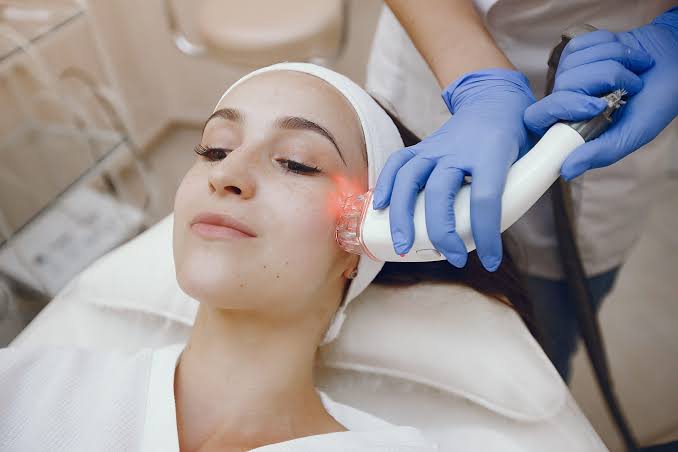
Scars are a natural part of the skin’s healing process, but they can sometimes remain visible long after an injury, surgery, acne breakout, or other skin condition Laser Scar Removal has healed. Depending on their type, size, location, and age, scars may affect the texture and appearance of the skin. Laser Scar Removal is a popular cosmetic treatment designed to improve the appearance of certain scars and create a smoother, more even-looking skin surface.
Before choosing this treatment, it is important to understand how laser procedures work, what results you can realistically expect, and how to prepare for treatment. Laser treatment does not necessarily erase a scar completely, but it can often make scars less noticeable by improving skin texture, tone, and overall appearance.
What Is Laser Scar Removal?
Laser Scar Removal refers to the use of specialized laser technology to improve the appearance of scars. Depending on the scar and the patient’s skin type, a professional may recommend different types of lasers or treatment approaches.
Some laser treatments work by removing or resurfacing damaged outer layers of skin, while others target deeper layers without significantly affecting the surface. The controlled energy delivered by the laser can encourage the skin’s natural repair process and stimulate the production of collagen.
Collagen is an important structural protein that helps support the skin. As new collagen develops, the treated area may gradually become smoother and more even in texture.
Which Types of Scars Can Be Treated?
Not every scar responds to laser treatment in the same way. Laser procedures may be considered for several common types of scars.
Acne Scars
Acne scars are among the most common reasons people consider laser treatments. Certain resurfacing procedures can help reduce uneven texture associated with acne scars and make depressions or irregular areas appear less noticeable.
Surgical Scars
Scars left after surgery may sometimes be improved with laser procedures. Treatment can help soften the appearance of certain surgical scars and improve differences in texture or color.
Injury and Accident Scars
Scars caused by cuts, burns, or other injuries may also be candidates for laser treatment. The appropriate approach depends on the characteristics of the scar and how the skin has healed.
Raised or Thick Scars
Some raised scars require specialized management and may not be suitable for every type of laser. A qualified professional should assess the scar before recommending treatment.
How Does Laser Scar Removal Work?
The exact process depends on the laser technology being used. During treatment, laser energy is directed at the targeted area of skin. The energy may remove damaged surface layers or create controlled microscopic treatment zones within the skin.
This process encourages the body to repair the treated area. Over time, new skin cells and collagen can develop, potentially improving the appearance and texture of the scar.
Laser treatment is generally performed by a trained dermatologist or qualified skin professional. The treatment area may be cleaned beforehand, and a numbing cream or another form of comfort measure may be used depending on the procedure.
What Should You Expect During Treatment?
The experience can vary depending on the laser used and the size of the treatment area. Some people describe the sensation as warmth, tingling, or mild snapping against the skin.
A treatment session may be relatively short when only a small area is being treated, while larger or more complex areas can take longer. Your provider should explain what you are likely to experience before the procedure begins.
It is important to follow the professional’s instructions during treatment rather than comparing your experience with someone else’s. Different laser technologies have different settings and treatment methods.
How Many Treatments Are Needed?
One session may not produce the desired improvement. Many people require a series of treatments, particularly when treating deeper or more noticeable scars.
The number of sessions depends on factors such as scar type, scar depth, skin condition, treatment technology, and the individual’s response to treatment. Sessions may be spaced apart to allow the skin enough time to recover.
Your provider can create a treatment plan after examining your skin and discussing your goals.
What Are the Benefits of Laser Scar Removal?
One of the main benefits of Laser Scar Removal is the potential to improve the overall appearance of uneven or damaged skin.
Potential benefits include:
- Smoother-looking skin texture
- Reduced visibility of certain scars
- Improved appearance of acne scars
- More even-looking skin tone
- Stimulation of collagen production
- Improvement in the overall texture of treated areas
The results vary from person to person. Laser treatment is best viewed as a way to improve the appearance of scars rather than completely remove every trace of them.
What Should You Do Before Treatment?
Proper preparation can help support a safer and more effective treatment experience. Before your appointment, discuss your skin history, medications, allergies, previous cosmetic procedures, and any products you regularly use on your skin.
Your provider may recommend avoiding certain irritating skincare products or treatments before the procedure. Protecting your skin from excessive sun exposure is also important because recently sun-exposed or irritated skin may not be suitable for some laser treatments.
Do not make changes to prescription medications or medical treatments without discussing them with an appropriate healthcare professional.
What Is Recovery Like?
Recovery depends heavily on the type of laser treatment. Some procedures cause only temporary redness and sensitivity, while more intensive resurfacing treatments can require a longer recovery period.
After treatment, the skin may appear red or feel warm or sensitive. Mild swelling or temporary changes in skin appearance can also occur. Your provider will give you specific aftercare instructions based on the laser used.
Keeping the treated skin protected from the sun is especially important. Sun exposure can interfere with healing and may increase the risk of unwanted pigmentation changes.
Are There Risks?
Like other cosmetic procedures, laser treatments have potential risks. These can include redness, swelling, irritation, temporary changes in pigmentation, infection, or changes in skin texture. The risk profile can vary depending on the treatment and individual skin characteristics.
People with darker skin tones may have a higher risk of certain pigmentation changes with some laser technologies, which makes professional assessment and appropriate laser selection particularly important.
Choosing a qualified and experienced professional can help reduce avoidable risks and ensure that the treatment is appropriate for your skin.
When Will You See Results?
Laser Scar Removal results usually develop gradually rather than immediately. The skin needs time to recover and produce new collagen after treatment.
Some changes may become noticeable as the skin heals, while additional improvement can develop over the following weeks or months. If multiple treatments are recommended, results may become more apparent as the treatment course progresses.
It is important to maintain realistic expectations. A successful treatment may make a scar less visible and improve texture without making the scar disappear completely.
Choosing the Right Professional
Selecting the right professional is one of the most important steps before undergoing laser treatment. Look for a qualified dermatologist or appropriately trained medical professional with experience treating scars and working with your skin type.
During a consultation, ask what type of laser is being recommended, why it is appropriate for your scar, how many sessions may be needed, what recovery will involve, and what potential side effects you should know about.
A professional evaluation is particularly important because different scars require different approaches.
Final Thoughts
Laser Scar Removal can be an effective option for improving the appearance of certain scars and creating smoother-looking skin. By stimulating skin renewal and collagen production, laser treatments may reduce the visibility of scars and improve uneven texture.
However, results depend on the type of scar, treatment method, skin characteristics, and individual healing response. Before treatment, take time to discuss your expectations and concerns with a qualified professional. Understanding the procedure, preparation, recovery, possible risks, and expected results can help you make a more informed decision about whether laser treatment is right for you.